How to Clean a Range Hood Filter (Mesh, Baffle and Charcoal)
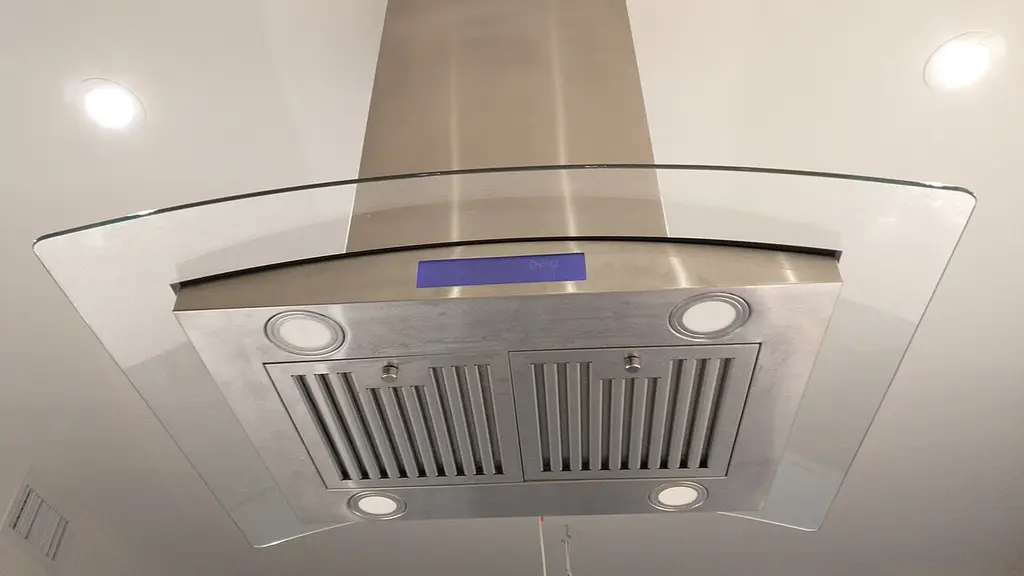
The metal filters under your range hood catch the grease that rises off the cooktop. When they clog, the fan moves less air, smoke and cooking smells linger, and a sticky layer of grease builds up right above your burners. The good news is that cleaning them takes about half an hour, most of which is soaking time, and you probably already have everything you need.
This guide follows the care instructions that range hood makers Broan, GE Appliances and Whirlpool publish for their own products. Hoods vary, so if a step here doesn't match yours, your owner's manual wins.
First, identify which filter you have
Look under the hood. Most hoods have one or more of these:
- Aluminum mesh filters. Flat panels made of several layers of fine metal mesh. These are the most common type on standard under-cabinet hoods and over-the-range microwaves. They are washable.
- Stainless steel baffle filters. Panels of angled metal channels (like the ones in the photo above), common on "professional style" and many chimney and island hoods. They are washable. Broan says baffle filters are designed to run longer in high-grease conditions and generally need cleaning with soap and water whenever the surfaces become unsightly.
- Charcoal (carbon) filters. Found on non-ducted hoods that recirculate air back into the kitchen, and on many over-the-range microwaves. They're usually dark gray or black, sometimes a pad, sometimes a cartridge. These can't be washed and must be replaced.
A non-ducted hood usually has both: a metal grease filter that you wash, and a charcoal filter behind or on top of it that you replace.
Safety first
- Turn the hood off and let it cool. Whirlpool says to make sure all controls are off and the hood is cool before cleaning. GE's manuals add that electrical power should be off and all surfaces cool before you clean or service any part of the hood. If your hood plugs in, unplug it; otherwise turn off the fan and lights, and switch off the circuit breaker if you'll be reaching inside the hood.
- Wear gloves and eye protection. Broan recommends safety glasses and gloves when cleaning. Filter edges can be sharp, and grease drips when you tilt the panel.
- Keep wet hands and cloths away from warm bulbs. GE warns that a warm or hot light bulb may break if touched with a moist surface. Let lights cool completely.
- Don't cook with the filters out. GE says the metal filters must always be in place when the hood is used, because they help keep flaming foods from damaging the inside of the hood.
What you'll need
- Sink, large tub or a baking sheet with sides (big enough to lay the filter flat), or your dishwasher
- Very hot tap water and a grease-cutting liquid dish detergent
- Soft nylon brush (a dish brush or an old soft toothbrush)
- Rubber gloves and safety glasses
- Old towels and paper towels
Step 1: Remove the filters
Most filters come out in a few seconds:
- Look for a small handle, latch or spring tab on the front edge of the filter.
- Pull or press the latch, then tip the front of the filter down. Broan's instructions for some models say to push the filter toward the back of the hood and tilt it downward. GE says most newer models have a filter lock you pull down to release.
- Slide the filter out and hold it level so grease doesn't drip onto the cooktop.
- If your hood has a drip tray or grease cup, remove that too (some GE models have one that lifts out by its front edge).
- If there's a charcoal filter clipped to the metal filter, unclip it and set it aside before washing. GE says to remove charcoal filters before cleaning the metal ones.
Step 2: Soak in hot, soapy water
Soaking does most of the work:
- Fill the sink or tub with the hottest tap water you can safely handle and add a generous squirt of dish detergent.
- Lay the filter flat so it's fully covered. Broan recommends soaking 15 to 20 minutes per side in warm water with a mild detergent solution.
- Swish the filter back and forth in the water a few times. GE describes this as soaking and then swishing the filter around in hot water and detergent.
If the water turns brown and greasy halfway through, drain it and repeat with fresh hot water. Very heavy buildup may need two rounds.
Step 3: Brush, rinse and dry
- Brush both sides lightly with a soft nylon brush, working along the mesh or baffle channels. GE says light brushing can be used to remove embedded dirt.
- Rinse thoroughly with hot water until it runs clear and the filter no longer feels slick.
- Shake off the excess water.
- Let the filter dry completely before putting it back. Standing it on edge on a towel helps it drain.
What not to use
According to GE's care instructions:
- No ammonia or ammonia products. They will darken the metal.
- No abrasives or oven cleaners. These can damage the finish and the mesh.
Also skip steel wool and soap-filled scouring pads; Whirlpool warns against them on the hood's exterior, and they can tear fine aluminum mesh.
Option: use the dishwasher
Many metal filters are dishwasher safe, but not all, so confirm in your manual. Broan says some of its filters are dishwasher safe and that you should check the owner's manual.
- Put the filter on the bottom rack, angled so water can spray through it.
- Use a non-phosphate detergent. Broan notes phosphate detergents or local water conditions can discolor filters; it doesn't affect performance, but Broan doesn't cover it under warranty. GE also says the dishwasher may discolor filters.
- To avoid discoloration, wash by hand instead.
Step 4: Wipe the hood while the filters are out
With the filters drying, clean the surfaces around them:
- Wipe the inside of the hood opening and any grease you can reach with a cloth dampened in hot, soapy water. Don't soak electrical parts or lights.
- For the exterior, Whirlpool recommends liquid detergent and water or an all-purpose cleanser on a damp soft cloth or nonabrasive sponge, then rinsing with clean water and wiping dry to avoid water marks.
- Wipe out the drip tray or grease cup, if your hood has one, and wash it in hot soapy water.
Step 5: Reinstall the filters
- Make sure each filter is completely dry.
- Fit the back edge (or the rear tabs) of the filter into the slots at the back of the opening.
- Push the front up until the latch clicks or the filter lock closes. GE says to make sure the filter lock is in the closed position to secure the filter.
- Turn the hood on and check that it runs normally.
Some hoods have a filter-cleaning reminder light or icon that needs to be reset after cleaning. The reset steps are model-specific (on one Broan model it means holding the fan button for a few seconds while the icon is showing), so check your manual.
Replacing a charcoal filter
If your hood recirculates air instead of venting outside, the charcoal filter is what removes odors, and it wears out with use.
- Don't wash it. Broan and Whirlpool both say charcoal filters can't be washed and must be replaced.
- Replace it on schedule. Whirlpool says its charcoal filters should last up to six months with normal use. Heavy cooking may mean sooner.
- Use the right part. Your owner's manual lists the replacement part number. Filters attach differently by model: some twist onto the blower housing, some clip onto the back of the metal grease filter, and some slide into tabs inside the hood.
- Remove the metal grease filter first to reach the charcoal filter, then reinstall the grease filter when you're done.
How often to clean
Broan suggests about once a month depending on usage (more often if you fry or wok-cook), while GE's support page says about every six months for normal use, or as needed. A practical habit is to check monthly: if the filter feels tacky or looks dark, clean it.
Signs your filter needs attention (or replacing)
- The fan sounds normal but doesn't seem to pull smoke or steam away as well as it used to. GE's troubleshooting lists an excessively soiled filter as a cause of a fan that moves air more slowly than normal.
- The fan shuts off and restarts on its own. GE says this can mean the motor is overheating, and the filter may be excessively soiled. Some Broan hoods have a thermal overload that shuts the motor off when it overheats.
- Grease drips from the hood.
- The mesh is torn, crushed or bent out of shape, or the frame no longer latches. With careful handling metal filters last for years, but a damaged one should be replaced with the correct part.
When to call a pro
Cleaning filters is an easy DIY job. Call an appliance technician or the manufacturer's service line if:
- The fan still runs poorly, shuts itself off, or makes grinding noises after the filters are clean.
- You see grease buildup inside the ductwork or above the filters that you can't reach safely.
- The lights or controls stop working, or you smell burning or see scorch marks.
- LED lights fail: some hoods, including at least one Whirlpool model, have LEDs that only a service technician can replace.
And remember the basic kitchen fire rule: if a small grease fire starts in a pan, slide a lid over it and turn off the burner, then leave the lid on until the pan cools, as the U.S. Fire Administration advises. Never use water on a grease fire. If the fire spreads, get out and call 911.
Related guides
Sources and further reading
- Broan-NuTone Support: How do I clean my Range Hood's Grease Filters?
- Broan-NuTone Support: How often should I clean my filters?
- GE Appliances: Vent Hood - Cleaning Metal Grease Filters
- Whirlpool Product Help: Clean or Replace Filters - Vent Hood
- U.S. Fire Administration: Cooking Fire Safety
Sources checked October 31, 2026. If something here does not match your product's instructions, follow the manufacturer and let us know.
Frequently asked questions
How often should I clean my range hood filter?
It depends on how much and what you cook. Broan says its aluminum mesh filters should be washed about every month depending on usage, and more often if you fry or cook with a wok. GE's support page says that for normal day-to-day use its metal filters should be cleaned about every six months, or as needed, while several GE manuals say once a month. Your owner's manual is the best guide; if the filter looks or feels greasy, clean it.
Can I put a range hood filter in the dishwasher?
Most metal mesh and baffle filters can go in the dishwasher, but check your manual first. Broan recommends a non-phosphate detergent and notes that discoloration can happen with phosphate detergents or because of local water conditions; it doesn't affect performance, but Broan says it isn't covered by the warranty. GE says dishwasher cleaning is acceptable but may discolor the filter. Washing by hand avoids discoloration.
Can I wash a charcoal (carbon) range hood filter?
No. Charcoal filters used on non-ducted (recirculating) hoods and many over-the-range microwaves cannot be washed; they have to be replaced. Whirlpool says its charcoal filters should last up to six months with normal use. Use the replacement part listed in your owner's manual.
What should I not use to clean a range hood filter?
GE's manuals say not to use ammonia or ammonia products, because they will darken the metal, and not to use abrasives or oven cleaners. Skip steel wool and harsh scouring pads too. Hot water, dish detergent, a soak and a soft brush are what the manufacturers recommend.
Can I run the range hood without the filter?
No. GE's manuals say the metal filters must always be in place when the hood is used, because they trap grease and help keep flaming foods on the cooktop from damaging the inside of the hood. If you're waiting for a filter to dry, don't cook with the hood running until it's back in.