How to Shut Off Water to Your House (Find and Use the Main Valve)
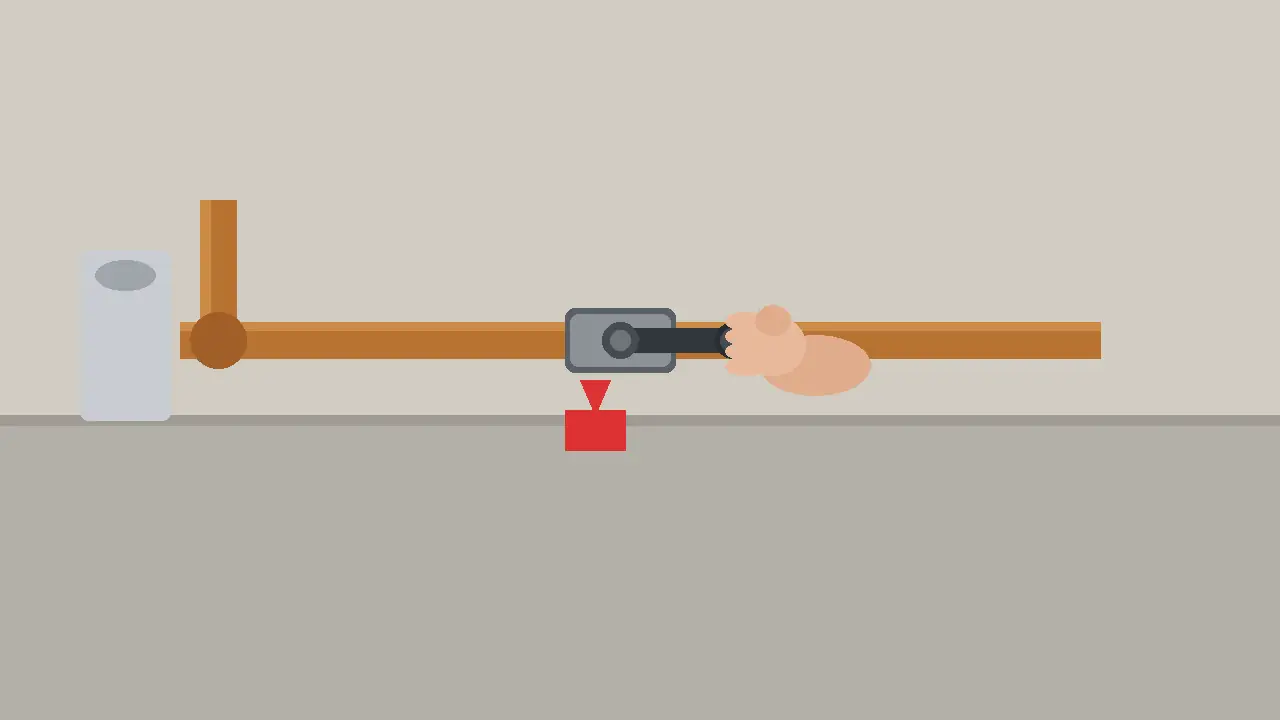
A burst pipe, a stuck toilet fill valve that will not stop, or a washing-machine hose that splits can put hundreds of gallons of water into a home in a short time. The fastest way to limit the damage is to shut off the water supply to the whole house at the main shutoff valve. Ready.gov and many water utilities say every household member should know where that valve is and how to close it before an emergency.
This guide walks through where to look, how gate and ball valves work, how to shut water off and drain residual pressure, what not to force, and when to call a plumber or your water provider. It follows public guidance from Ready.gov (FEMA's ready.gov safety-skills page) and emergency shutoff advice published by water utilities. Local plumbing codes and your utility's rules still come first.
Why you need to know the main shutoff
- Burst or leaking pipes. Closing the main stops new water from feeding the leak while you call for help.
- After some disasters. Ready.gov notes that cracked lines may pollute the water supply to your house, and it is a good idea to shut the water off until authorities say it is safe to drink.
- Protect stored water. Ready.gov also explains that gravity can drain the water in your water heater and toilet tanks unless you trap it by shutting the main house valve.
- Planned work. Some repairs are easier with the house water off, then restored slowly.
Find the valve before you need it
Ready.gov's instruction is simple: find the shutoff for the main water line that enters your house, tag it for easy identification, and make sure everyone in the household knows where it is.
Common locations (utility guidance often lists these):
- Basement, near where the supply pipe comes through the foundation wall
- Crawl space or under the home
- Garage utility wall
- Near the water heater or water softener
- Outside, close to where the service line enters the foundation
Not the curb box. Ready.gov is clear that this is not the street valve in the cement box at the curb. That street valve is extremely difficult to turn and requires a special tool. Use the house main valve for emergencies inside the home.
Label it. Hang a bright tag or put high-visibility tape on the valve and take a phone photo of its location so guests or family can find it quickly.
Apartments and older homes. Some apartments, manufactured homes, and older houses do not have an accessible indoor shutoff. Regional Water Providers Consortium notes that if you cannot find one, you may need your water provider to shut water off at the street. Ask your landlord or utility now, not during a flood.
Gate valve vs ball valve
Two designs show up most often on main lines:
Ball valve
- Handle is a straight lever.
- Open: handle lined up with (parallel to) the pipe.
- Closed: handle turned about a quarter turn so it sits perpendicular to the pipe.
- Usually the easier valve to operate in a hurry.
Gate (wheel) valve
- Looks like a round outdoor-spigot-style wheel.
- Close: turn the wheel clockwise (to the right) until snug. It may take several full turns.
- Open: turn counterclockwise until fully open.
Regional Water Providers Consortium describes these same open/close motions for both valve types. When you restore water later, open either type slowly so you do not slam air and pressure through fixtures.
How to shut the water off in an emergency
- Go straight to the tagged main valve. Do not waste time hunting under every sink first if water is already spreading; the main stops the whole house.
- Close the valve the right way for its type. Ball valve: turn the lever until it is perpendicular to the pipe. Gate valve: turn the wheel clockwise until snug. Stop when it is firmly closed; do not crank past snug on a gate valve.
- Confirm it worked. Open a sink faucet on the lowest floor. Flow should stop or drop to a short trickle as pipes empty.
- Relieve remaining pressure and drain lines. Regional Water Providers Consortium advises turning on faucets and flushing toilets after shutoff so leftover water drains and pressure at a burst drops. Catch water in buckets if you need to keep floors drier.
- Document damage. Take photos for insurance or a landlord before cleanup when it is safe to do so.
- Call for repair. Indoor burst pipes are typically the property owner's responsibility; call a plumber. Issues in the street or at a hydrant are usually the water provider's.
If you cannot find or operate a house shutoff, call your water provider about shutting service at the meter, and call a plumber.
Test the valve on a calm day
Ready.gov says to make sure you can shut the valve off completely. A valve that is rusted open or will not close all the way should be replaced.
A safe practice run:
- Pick a time when nobody needs water for 15–20 minutes.
- Close the main slowly.
- Open a faucet and confirm flow stops.
- Open the main slowly again.
- Bleed air by opening faucets briefly until water runs smoothly.
If the valve does not close fully, sticks, leaks at the stem, or needs extreme force, schedule a plumber to repair or replace it before winter or a trip.
Safety: what not to do
- Do not force a stuck valve. If a gate valve does not turn easily, do not force it. Forcing can snap the stem and leave you unable to shut water off at all; call a plumber to free or replace it.
- Do not confuse gas and water. Know which utility is which. Ready.gov has separate gas shutoff rules, and only a qualified professional should turn gas back on after it has been shut off.
- Do not rely only on fixture shutoffs in a big leak. Supply stops under a toilet or sink help for a single fixture; a main-line break or multi-fixture flood needs the house main.
- Watch for frozen pipes. In cold weather, a stuck or slow shutoff is especially dangerous if a pipe has already frozen and may burst when it thaws. Knowing the valve location is part of winter readiness.
- After disasters. If lines may be cracked, keep the main off until local authorities say the water is safe, per Ready.gov.
When to call a plumber (or the utility)
Call a licensed plumber if:
- You cannot find the main shutoff.
- The valve is stuck, will not seal, or leaks when operated.
- Water keeps flowing after the valve should be closed.
- A pipe has burst and you need a repair beyond temporary shutoff.
- You want the main valve replaced with a modern ball valve for easier emergency use.
Call your water utility if:
- There is no indoor shutoff and you need the meter/street valve closed.
- Water is flooding from a break in the street or at the meter box.
- You need clarification on whether customers may operate the curb stop.
Practice checklist
- Main valve located and tagged
- Photo of location saved on household phones
- Everyone who lives there shown how to close it
- Valve type identified (ball or gate)
- Calm-day test done in the last year
- Plumber scheduled if the valve sticks or will not seal
- Utility phone number saved for meter shutoff questions
Related guides
- How to Fix a Leaking P-Trap Under the Sink
- Toilet Keeps Clogging: Causes and Fixes
- How to Winterize Outdoor Faucets and Hose Bibs
Sources and further reading
- Ready.gov: Safety Skills (shut off utilities / water)
- Regional Water Providers Consortium: Emergency Water Shut-Off
- U.S. EPA WaterSense: Know Your Flow and Curb Water Waste – Leak Detection Guide (PDF)
Sources checked 2026-11-07. Valve locations and utility rules vary by home and city. If your setup differs, follow your water provider and a licensed plumber, and let us know.
Frequently asked questions
Where is the main water shutoff valve in a house?
Ready.gov says to find the shutoff for the main water line that enters your house and tag it. It is commonly in the basement, crawl space, garage, near the water heater, or outside by the foundation where the supply enters. It is not the street curb-box meter valve, which is hard to turn and often needs a special tool.
How do I turn off a ball valve vs a gate valve?
Water utilities describe two common types. A ball valve usually needs only a quarter turn so the handle sits perpendicular to the pipe to close. A gate (wheel) valve is closed by turning the wheel clockwise until snug; it may take several turns. Open them slowly when you restore water.
Should I shut water off at the street meter?
Ready.gov notes that the street valve in the curb box is extremely difficult to turn and requires a special tool. Use your house main shutoff first. Some water providers allow customers to use the meter shutoff in certain emergencies; ask your utility before an emergency what they allow.
What if the main valve is stuck or won't close fully?
Ready.gov warns that a valve may be rusted open or may not close all the way, and if so it should be replaced. Do not force a gate valve that will not turn easily. Call a licensed plumber to free or replace a stuck valve rather than breaking it when you need it most.
Why shut off the main valve after a disaster or before leaving for winter?
Ready.gov says shutting the main house valve traps water already in your water heater and toilet tanks so gravity does not drain it out of cracked lines, and that cracked lines may pollute the supply until authorities say water is safe. Knowing the valve also helps in a burst-pipe flood.