Carbon Monoxide Alarms: Where to Install Them, How to Test Them and When to Replace Them
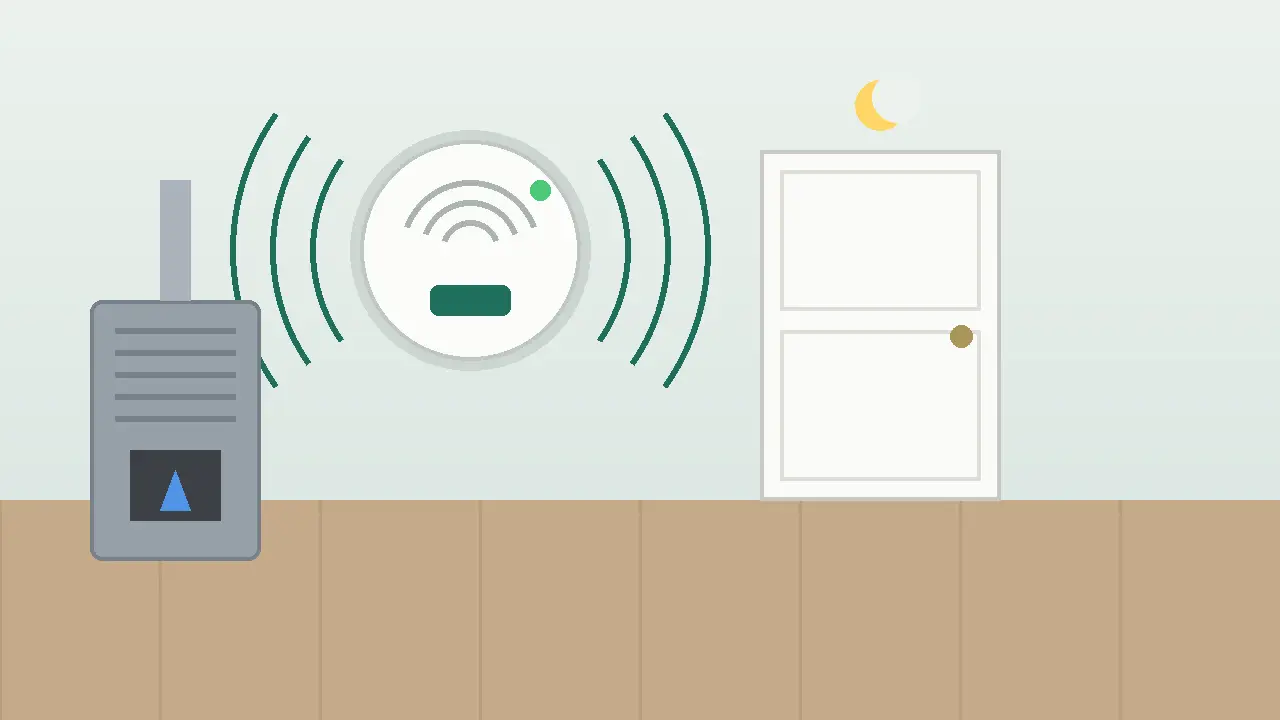
Carbon monoxide (CO) is a colorless, odorless gas, which is why the CPSC calls it the "invisible killer." You can't see it or smell it, so a working CO alarm is the only practical way most households will know it is building up. The CDC reports that each year more than 400 Americans die from unintentional CO poisoning not linked to fires, and more than 100,000 visit an emergency department.
The good news is that CO alarms are cheap, easy to install and need very little upkeep. This guide covers where to put them, how to test them, what the different beeps mean, when to replace the whole unit, and what to do if one goes off.
Do you need a CO alarm?
If your home has anything that burns fuel, the answer is yes. NFPA explains that CO is produced when fuels such as gasoline, wood, coal, natural gas, propane and oil burn incompletely. Common sources in a home include:
- A gas or oil furnace or boiler
- A gas water heater, gas range or gas dryer
- A fireplace or wood stove
- An attached garage where a car, mower or generator might run
- Portable generators used during power outages
Even an all-electric home can be exposed through an attached garage or a generator used too close to the house. Many states and cities also require CO alarms in homes with fuel-burning appliances or attached garages, especially in rentals, so check your local rules. New York's Amanda's Law is one well-known example.
What to buy
- A listed alarm. NFPA says to choose a CO alarm that carries the label of a recognized testing laboratory. In the US you will usually see UL 2034 listed on CO alarms.
- Battery-operated or with battery backup. The CPSC and CDC both recommend battery-operated alarms or plug-in/hardwired alarms with battery backup, so they keep working during a power outage. That matters because outages are exactly when people run generators.
- Interconnected if you can. NFPA and the CPSC say interconnected alarms give the best protection: when one sounds, they all sound. Hardwired interconnection usually means an electrician; many brands also sell wireless interconnected models.
- Digital display (optional). The CDC suggests considering a detector with a digital readout, which can show the highest CO level it has recorded.
- Combination or separate? Combination smoke/CO alarms save ceiling space and batteries. A regular smoke alarm does not detect CO, so if you buy separate units, you need both.
Where to install CO alarms
NFPA's guidance is that CO alarms should go in a central location outside each sleeping area and on every level of the home, plus any other locations your local laws or codes require. Kidde adds that if you only have one alarm, it belongs in the hallway outside the bedrooms, because you are most vulnerable while asleep and need to hear it.
Always follow your alarm's own manual for mounting height and location, because it differs between models: some are designed for a wall, some for the ceiling, and plug-in models go into an outlet. Typical "don't install here" points from Kidde's instructions include:
- Too close to fuel-burning appliances. Kidde's support pages say to place alarms at least 15 feet from fuel-burning appliances to avoid false alarms. One Kidde manual also says not to put the alarm within 5 feet of any cooking appliance.
- Dead-air spaces, such as the peak of a vaulted ceiling.
- Next to windows, doors or fresh-air vents, or in the turbulent air from a ceiling fan.
- Bathrooms and other damp, humid areas.
- Behind curtains or furniture, where CO can't reach the sensor.
- Very cold or hot spots. One Kidde manual specifies an operating range of 40 to 100°F, so an unheated garage or attic may be out of range.
How to test a CO alarm
NFPA says to test CO alarms at least once a month. Kidde and First Alert manuals recommend once a week. Either way, it takes seconds.
- Warn the household so nobody panics when the horn sounds.
- Press and hold the Test (or Test/Silence) button until the alarm sounds. On many First Alert models the test sequence is 4 beeps, a pause, then 4 beeps, with a flashing red light, lasting a few seconds. Your model may differ, so check the manual.
- Step back once the horn starts. First Alert warns that standing close to a sounding horn can harm your hearing.
- If it doesn't sound, make sure the battery is fresh and correctly installed (or that a plug-in unit is powered), then test again. If it still fails, replace the alarm.
First Alert explains that on its CO alarms the test button electronically checks the sensor circuit, power source and other components. That is why the button is the recommended test method. Never test a CO alarm with car exhaust or another real CO source: First Alert says exhaust can permanently damage the alarm, and it puts you at risk too.
Routine care
- Batteries. The CDC suggests checking CO detector batteries when you change your clocks in spring and fall. Replace them with the exact type your manual lists. Some alarms have a sealed 10-year battery that is not replaceable; those are replaced as a whole unit at end of life.
- Dust. One First Alert manual recommends vacuuming the alarm cover once a month with a soft brush attachment and never using water, cleaners or solvents on it. Test the alarm again afterward.
- Chemicals. Kidde's instructions warn against spraying aerosols near the alarm and say dust, grease and household chemicals can affect the sensor. Cover or remove the alarm (temporarily) if you are painting or using strong cleaning products nearby, and put it back the same day.
- Write down the install date on the alarm or on a calendar reminder. The CDC suggests setting a reminder when you buy and install it.
What the beeps mean
Patterns vary by brand and model, so your manual is the final word. As general guidance from Kidde and First Alert:
| What you hear | What it usually means | What to do |
|---|---|---|
| Loud repeating pattern (often 4 beeps, pause, 4 beeps) | CO detected | Treat as an emergency (see below) |
| A short chirp every 30 to 60 seconds | Low battery on many models | Replace the battery, then test |
| Chirp continues after a fresh battery | End of life or a fault | Replace the alarm now |
| Display shows ERR or END | Error or end of life | Check the manual; usually replace |
Kidde stresses that its CO alarms cannot detect carbon monoxide once they are in end-of-life mode, so a "hushed" end-of-life alarm is not protecting you.
When to replace the alarm
CO sensors wear out. Check the manufacture date printed on the back of the unit.
- Kidde says its CO alarms made since 2013 have a 10-year life (with a few named exceptions), while those made earlier have a seven-year life.
- The CDC's general guidance is to replace CO detectors according to the manufacturer's instructions or every 5 years.
- NFPA says to replace CO alarms according to the manufacturer's instructions.
Replace any alarm right away if it fails a test with a fresh battery, gives an end-of-life signal, or is past its stated life. When you replace one, it is a good time to check that every level and every sleeping area is covered.
If your CO alarm goes off
Never assume it's a false alarm. Based on NFPA, CPSC and Kidde guidance:
- Get everyone out to fresh air immediately, outdoors or at an open door or window. Bring pets.
- Call 911 or the fire department from the fresh-air location. NFPA suggests finding out in advance what number your local fire department wants you to call for a CO alarm.
- Make sure everyone is accounted for, and don't go back inside until emergency responders say it's safe.
- If the alarm goes off again, Kidde advises having a qualified appliance technician check the home for CO sources. Also check that no vehicle has been running in an attached garage.
Know the symptoms, too. The CDC lists headache, dizziness, weakness, upset stomach, vomiting, chest pain and confusion, and notes they are often described as "flu-like." People who are asleep can be overcome before they notice symptoms. If anyone feels unwell and you suspect CO, get outside and call 911 even if no alarm has sounded.
Prevent CO in the first place
An alarm is a backup, not a fix. From CDC, CPSC and NFPA guidance:
- Have your furnace, water heater and other fuel-burning appliances serviced by a qualified technician every year, and have the chimney checked or cleaned yearly.
- Never use a generator inside the home or garage, even with doors open. The CPSC and CDC say to run it outdoors at least 20 feet from the house, with exhaust pointed away.
- Never heat your home with a gas oven, and never use a charcoal grill or camp stove indoors.
- Don't run a car in an attached garage, even with the door open.
- After snow, clear snow away from dryer, furnace and other exhaust vents.
When to call a pro
- Your alarm has gone off: call 911 first, then a qualified HVAC or appliance technician to find the source.
- You notice soot around an appliance, a vent pipe that has come loose, or the alarm sounds repeatedly.
- You want hardwired, interconnected alarms: that is new wiring, so hire a licensed electrician.
- You rent: your landlord may be responsible for providing and maintaining alarms under local law.
If you smell gas (a rotten-egg odor), that is a different emergency: leave the home and call your gas utility or 911 from outside.
Related guides
- How to Test and Replace Smoke Alarm Batteries (and When to Replace the Alarm)
- How to Change a Furnace Filter: Size, MERV Rating and Direction
- Fall Home Maintenance Checklist: 15 Tasks Before Winter
Sources and further reading
- NFPA: Carbon Monoxide Safety
- CPSC: Carbon Monoxide Information Center
- CDC: Carbon Monoxide (CO) Poisoning Basics
- Kidde: When Should I Replace My Carbon Monoxide Alarm?
- Kidde: How Many Carbon Monoxide Alarms Do I Need?
- Kidde: What Should I Do When My Carbon Monoxide Alarm Sounds?
- Kidde: Why Is My Carbon Monoxide Alarm Beeping or Chirping?
- First Alert: How to Test, Clean, and Maintain Alarms
- New York DHSES: Carbon Monoxide Virtual Toolbox (Amanda's Law)
Sources checked 2026-11-14. Alarm features, chirp patterns and local requirements vary by model and location. Always follow your alarm's manual and local code, and let us know if something here no longer matches.
Frequently asked questions
Where is the best place to put a carbon monoxide alarm?
NFPA says CO alarms should be installed in a central location outside each sleeping area and on every level of the home, plus anywhere your local code requires. If you only have one, Kidde recommends the hallway outside the bedrooms. Follow your alarm's manual for mounting height.
How often should I test my CO alarm?
NFPA says to test CO alarms at least once a month. Kidde and First Alert manuals go further and recommend pressing the test button once a week. Use the test button only; First Alert warns never to test with vehicle exhaust.
How long do carbon monoxide alarms last?
It depends on the model, so check the manufacture date on the back and the manual. Kidde says its CO alarms made since 2013 have a 10-year life (with a few listed exceptions) and older ones seven years. The CDC says to replace CO detectors following the manufacturer's instructions or every 5 years.
Why does my CO alarm keep chirping after I changed the battery?
On many alarms a chirp that continues after a fresh battery means the unit has reached its end of life or has a fault. Kidde notes that CO alarms in end-of-life mode can no longer detect carbon monoxide, so replace the alarm right away. Check your manual, since chirp patterns differ by brand and model.
What should I do if my carbon monoxide alarm goes off?
Treat it as real. Get everyone, including pets, out to fresh air right away, then call 911 or the fire department from outside. Do not go back in until emergency responders say it is safe. If the alarm sounds again later, have a qualified technician check your fuel-burning appliances.
Can a smoke alarm detect carbon monoxide?
Only if it is a combination smoke and CO alarm. A standard smoke alarm does not sense CO, and a CO-only alarm does not sense smoke. Check the label or packaging: combination units say so clearly.